Key technologies revolutionising construction safety
The use of technology in construction has revolutionised construction site safety standards and compliance. These key technologies are playing a role in securing worker safety and the long-term success of construction projects.
Real-time monitoring and data analysis
Real-time monitoring offers a big step towards increased safety on construction sites. Sensors can keep an eye on conditions that threaten the safety of workers. These sensors can monitor air quality, temperature changes, and noise levels and flag hazardous issues. This reduces risks by enabling prompt action to prevent and stop any hazards.
Wearable devices and IoT integration
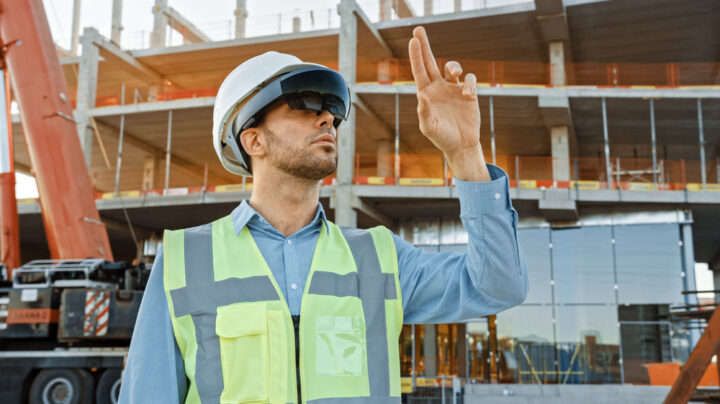
Wearable devices, like smart helmets and vests, are equipped with sensors that track vital signs and location. These devices provide instant alerts in case of emergencies. This allows for a swift response and improves overall worker safety. Integrating Internet of Things (IoT) devices allows for seamless communication between workers, machinery, and supervisors. This advancement provided by technology enhances coordination and safety. For example, IoT devices can notify workers of hazardous weather conditions or machinery malfunctions, reducing the risk of accidents.
Virtual reality and augmented reality
Virtual Reality (VR) and augmented reality (AR) technologies are being used in safety training programs. Workers can be immersed in realistic virtual environments where they learn to identify and respond to potential hazards. This allows for practical, hands-on training without exposing workers to actual risks.
Drones and automated equipment
Drones equipped with cameras and sensors can monitor construction sites from above, providing a comprehensive view of the area and identifying potential safety concerns. This aerial technology will find potential safety concerns, such as unstable structures or unauthorised personnel in restricted areas. This real-time data empowers construction companies to take immediate action and prevent accidents.
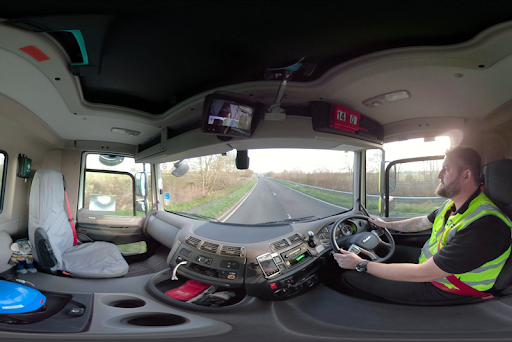
Automated equipment, such as self-driving construction vehicles, minimises the need for human involvement in hazardous tasks. Towards better risk management, this further reduces the risk of accidents and injuries.
Building Information Modeling (BIM)
BIM is a digital representation of a construction project that integrates various data sources, including architectural plans, structural details, and safety information. BIM software allows for the identification of safety issues early in the design phase, facilitating the implementation of preventive measures and ensuring that safety is built into the project from the start.
These technological advancements have significantly contributed to improving safety in the construction industry. The overall benefit of these advancements is in providing real-time information and enhancing communication and coordination. Technology is constantly evolving and will develop further in enabling proactive measures to mitigate risks.
Related reading: A guide to hazard identification and management